

Exit Stories: Why People Leave (and What We Rarely Say Out Loud)
Staying Can Be Harder Than Leaving

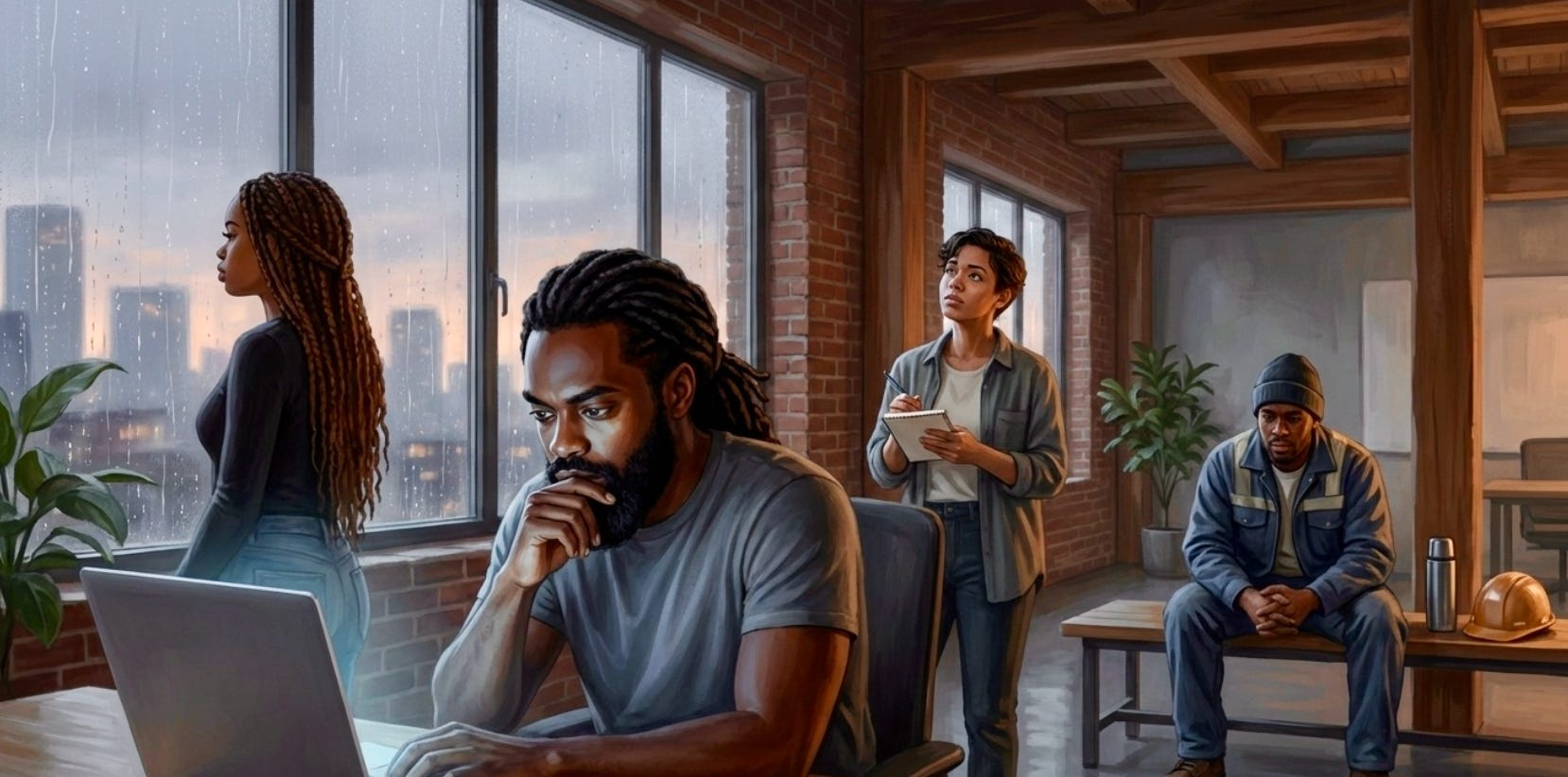
December is a strange month for working people.
Not just developers — everyone.
It’s the one time in the year when the noise drops a little. Offices slow down. Deadlines soften. WhatsApp groups go quiet. For a brief moment, we stop reacting and start reflecting.
For developers work increases because they are trying to close on a strong note for next year ,but also that pause shows up as GitHub heatmaps cooling off and Slack notifications thinning out.
For others, it’s empty inboxes, unused leave days, or long commutes that suddenly feel heavier than usual.
And in that quiet, a familiar question comes up:
Is this still working for me?
This year, a lot of people left.
AI taking jobs noise !
crazy job market and requirements
Not always officially.
Not always loudly.
Some left companies.
Some left roles.
Some stayed—but mentally checked out months ago while still doing the work.
Leaving Isn’t Always About Money
One of the biggest lies across every industry, tech or not , is that people leave because of money alone.
Money matters. Of course it does.
But it’s rarely the first crack.
People leave when:
They stop growing.
Their effort becomes invisible.
Promises keep getting pushed to “next quarter.”
Extra responsibility shows up without extra support.
Burnout is reframed as a personal weakness instead of a system failure.
This is true for developers, designers, marketers, operations staff, teachers, factory workers, startup employees, and corporate professionals alike.
Most exits start emotionally long before they happen on paper.
The Moment Things Break
Almost everyone who has ever left a job can point to a moment.
Not a dramatic argument.
Not a resignation email.
A small moment:
Being told to “just manage it” when the workload quietly doubled.
Watching leadership celebrate outcomes while ignoring the people who carried them.
Realizing you were doing more than your role — and being thanked with silence.
Shipping, delivering, showing up… and still being treated as replaceable.
For developers, it might be an ignored pull request or another rushed release , late night bugs , writing languages that you dont like because you want to be a team player and push the product !
For others, it might be an unacknowledged win or a role that slowly expanded without consent , or even people downplaying your role and they thinking you’re still the new hire they hired 3 years ago … (duh … like its been three years )
That’s when the countdown starts.
You don’t quit that day.
You just stop imagining a future there.

Staying Can Be Harder Than Leaving
This is the part we don’t say out loud enough.
Staying is often harder than leaving.
People stay because:
“The market is bad.”
“At least it’s stable.”
“I’ve already invested so much time.”
“Things might improve.”
Startups promise growth and equity that never materialize.
Corporations promise progression that keeps getting delayed.
Teams lean harder on the most reliable people — until reliability turns into exploitation.
Staying without growth costs something:
confidence, energy, curiosity, sometimes self-respect.
Leaving feels scary.
But staying misaligned is often worse.
The Quiet Exit No One Talks About
Not everyone leaves a company.
Some people leave the version of themselves they once were.
The curious one.
The ambitious one.
The person who cared deeply about quality.
The person who believed their work mattered.
They still show up.
They still deliver.
But something essential is gone.
This is the most dangerous exit — because no one notices it until much later.
What We’re Carrying Into Next Year
As the year closes, the real questions aren’t:
“Where do I work next?”
or “What role do I want?”
They’re quieter:
Where did I grow this year — honestly?
Where did I stay too long?
What signals did I ignore?
What am I no longer willing to normalize?
Reflection isn’t regret.
It’s pattern recognition.
And patterns, once seen, are hard to unsee.

A Thank You — Truly
Before closing the year, I want to say thank you.
To everyone reading this on Substack — your subscriptions, replies, and quiet support made this year possible.
To everyone reading on Medium — your time, comments, highlights, and shares mattered more than you know.
To everyone who liked, reposted, replied, or challenged ideas across platforms — you shaped these conversations.
Whether you’re technical or not, whether you build products, manage teams, work shifts, or create from the margins — thank you for being part of this space.
You didn’t just consume content.
You participated.
Moving Forward
Next year isn’t about perfection.
It’s about alignment.
Better conversations.
Braver decisions.
Healthier boundaries.
More honest work.
Wherever you are, I hope you carry forward what served you — and let go of what didn’t.
Merry Christmas.
Thank you for this year.
We’ll do better, together.
mrbeautifulmind ….. see you next year

Nicely done
Why am I only seeing this now? Great post!