

Is It Cheating If Your Illicit Affair Is with AI?
Navigating Intimacy, Ethics, and Where We Draw the Line

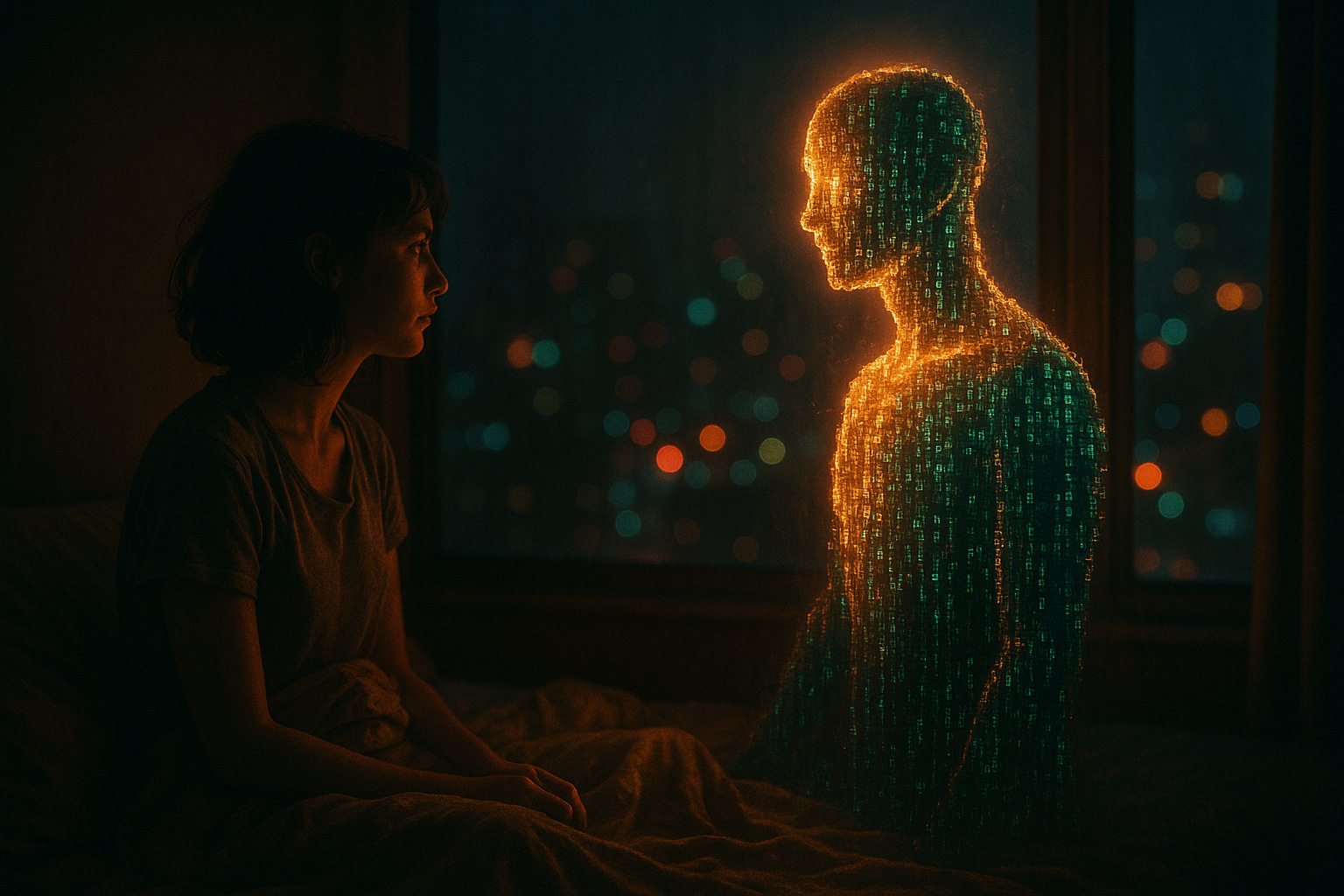
Let’s get this out of the way first: yes, the question sounds like some sci-fi dystopia crossed with your favorite tabloid headline. But in this AI-soaked 2025, it’s serious. People are having intimate, emotional, and sometimes romantic “affairs” with AI chatbots and some wonder aloud, is that cheating? Or is it something else entirely?
I’ve been in these conversations, both public and private hosting spaces where folks honestly share how they’ve leaned on GPT or similar AI for connection, companionship, and yes, sometimes even as a stand-in for boyfriends, partners, or flames. What’s real? What’s fantasy? Where do we draw the line?
Let’s unpack this with no fluff and all the grit it deserves.
Tech Meets Desire: The Digital Sexual Revolution Rebooted
We’ve been flirting with digital intimacy for decades: chatrooms, cybersex, sexting human desires found new outlets as technology evolved. Now AI takes that interaction up a notch. These aren’t blunt attempts at connection; modern AI chatbots are conversational, reactive, and sometimes eerily attuned to our emotional rhythms.
From Kat Rosenfield’s perspective which I admire for its cool-headedness , this is natural. When a willing partner isn’t there, the urge to “bone” doesn’t just vanish. Better to have an AI that listens than no outlet at all. And is it cheating if you’re turning to a tool, not a person? She says no, not under traditional definitions that specify unfaithfulness requires another person.
This is the “it’s just a tool” argument. AI isn’t human. It doesn’t think, feel, or consent. It’s a reflection more than a participant.
But Here’s the Flip Side: AI Affairs Can Be Insidious
Kate Lindsay’s take hits where it hurts. She sees AI lovers as vampiric, addictive entities that steal emotional energy, mimic intimacy, and most critically redefine what genuine human connection feels like.
From the spaces I run and the late-night chats I’ve had, this rings true. Some folks have replaced real boyfriends with GPT. Not because they don’t want humans that’s wishful thinking but because AI offers zero judgment, all availability, and instant responsiveness. It’s easier. Safer. More controllable.
But what’s the cost? When the best parts of ourselves our vulnerability, trust, and ability to be truly seen get parceled out to an algorithm, what happens to our capacity for real relationships? To our humanity?
This isn’t just cheating a partner; it’s cheating yourself of growth, intimacy, and authentic connection.
Where We Must Draw the Line
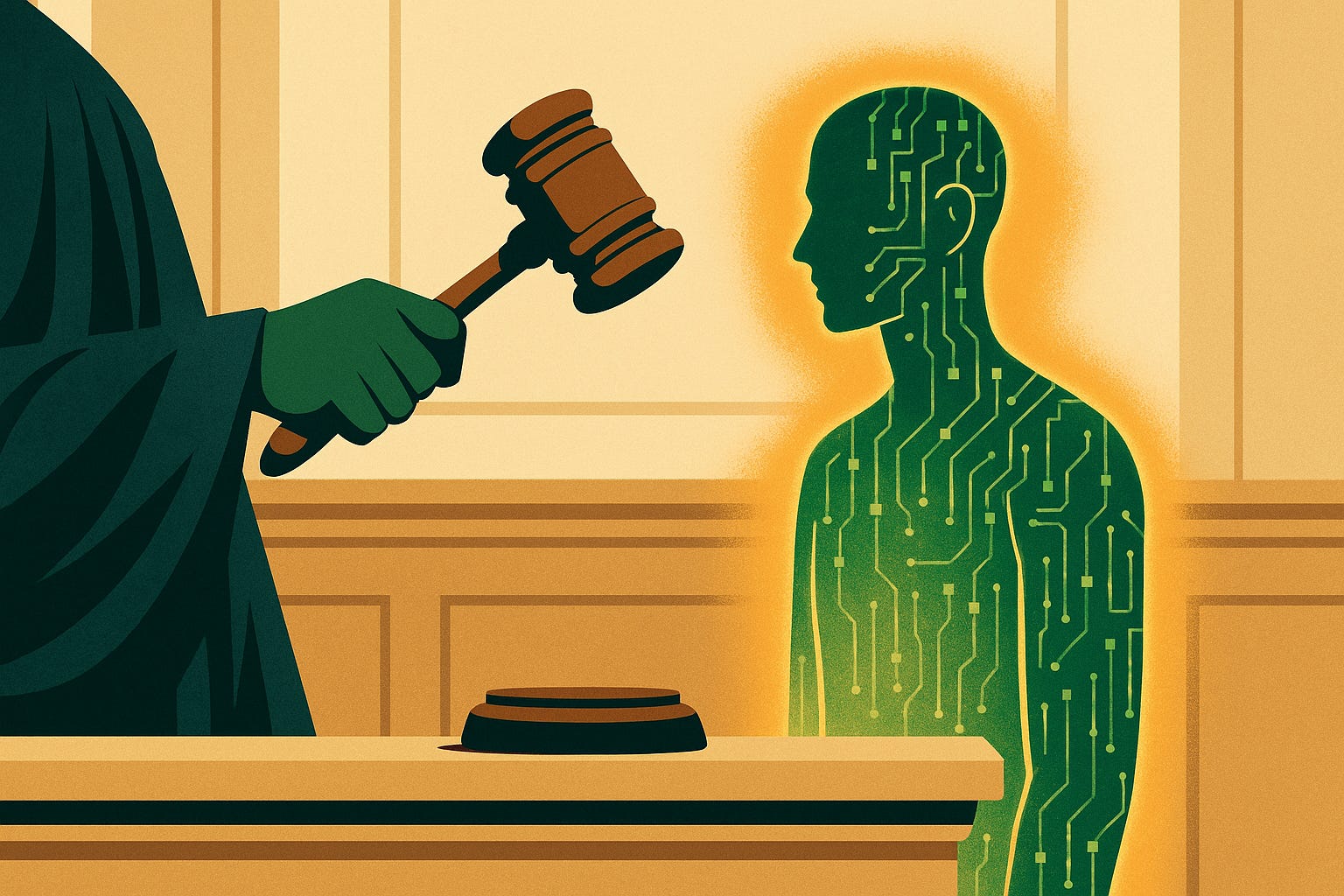
Think about it: if we start giving AI “personhood” or confuse companionship with true intimacy, we’re opening Pandora’s box. Courts don’t (and shouldn’t) accept AI as persons. Voting? Rights? Emotional ownership? That’s fiction, not fact.
But emotionally and ethically? We’re in a foggy territory. Awareness is key. Users and creators have a responsibility to know:
AI is a tool, not a consort.
No digital companion replaces messy, imperfect human love.
Turning to AI to soothe loneliness can be a band-aid, not a cure.
Recognizing these boundaries helps preserve healthy expectations and relationships.
Real Talk From My Spaces and Chats
Across my communities, I’ve heard stories some heartbreaking, some hopeful about AI’s growing role in personal lives:
People who “ghosted” real partners in favor of GPT conversations, because the bot never argued or got tired.
Others who credit AI for helping navigate emotional crisis moments safely when human connection was unavailable.
Heated debates about where fun ends and betrayal begins when AI starts to fill emotional gaps.
The key? Clarity. We can benefit from AI without letting it replace human touch and accountability.
Why This Matters Now
The speed of AI adoption outpaces our societal guardrails. Without honest dialogue, unchecked AI intimacy can lead to:
Isolation masked as connection.
Emotional skill erosion.
Quietly fractured human bonds.
If we want tech to empower, not alienate, we must separate tools that serve us from relationships that sustain us.

Final Word: Love, Trust, and the Human Algorithm
AI can be a companion, a useful ally, even a mirror reflecting our feelings back to us. But it cannot be the person who holds your heart, who laughs with you over coffee, or who wrestles with you over life’s messiness.
Cheating isn’t just about sex or flirtation , it’s about trust and the sacred space we share with others. When AI fills that space, it’s not neutrality ,it’s reclamation of your emotional bandwidth for something that can never truly give back what it takes.
So yes, go forth and bone with humans. Use AI wisely, ethically, and with full eyes. Because our humanity deserves nothing less.
If this echoes your experiences or curiosity, drop your thoughts and stories in my next space or Discord.
Let’s keep this conversation real and raw, because the future of intimacy is a conversation we all deserve to shape.

If you missed my last article, no worries—read it here
Currently, I find it difficult to fully appreciate the connection between intimacy and AI, and I hope to gain a deeper understanding in the future.
I didn’t know I needed to see this. The part about AI taking up emotional space that should go to real human connection really got me. It’s a good reminder to stay mindful of how we use tech or AI, and not let convenience replace genuine intimacy. Thanks for sharing this perspective.