

The 7 Levels of Laravel Optimization: From Rookie to Overlord
Like my boss would say ... austin clean this code, always wonder what he meant but i get it now

Optimizing Laravel isn’t just a skill—it’s an art form. We’ve all been that rookie developer, just glad the app works, while the database silently screams for mercy. But the climb from “It works, don’t touch it” to “I saved 98% of resources”? That’s where legends are made.
Let’s break down the seven levels of Laravel optimization, complete with code, results, and the quirks we all face along the way. Ready? Buckle up—it’s gonna be a ride.
Level 1: Rookie—“At Least It Works”
You’re in the “if it ain’t broke, don’t fix it” phase. Every database query lives in your controller (yikes), and you’re fetching related data with zero thought about N+1 queries.
Example:
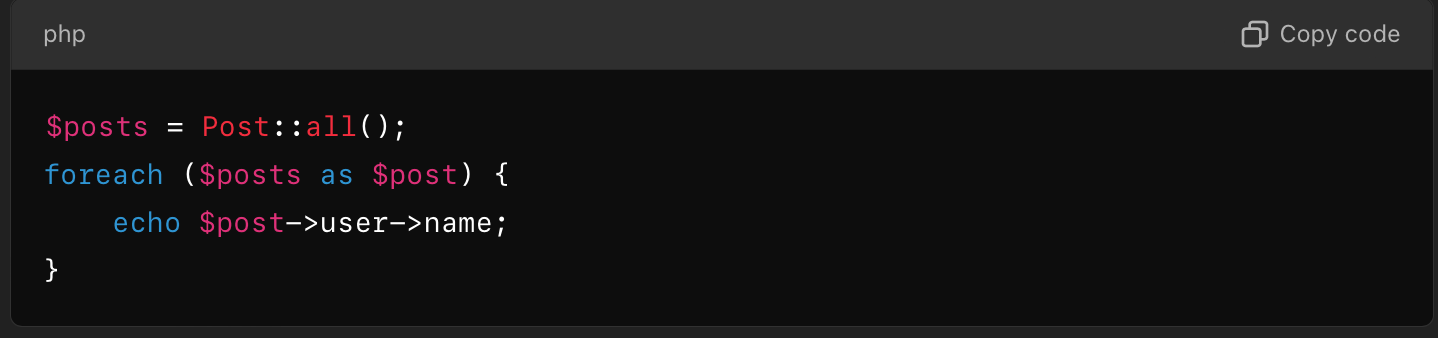
It works… but at what cost? Your app makes a fresh database call for every user, turning your server into a crying mess.
Level-Up Tip:
Start using eager loading

Boom. One query instead of 100. It’s simple, but you’re officially not a rookie anymore.
Level 2: Wannabe Pro—“Do You Really Need All That Data?”
You’re starting to ask smarter questions: Why am I fetching the entire user object when I only need their name? Enter query optimization.
Example:

Result: A 20% boost in efficiency! Sure, it’s not earth-shattering, but you’re on your way.
Level 3: The Specialist—“Let the Database Do the Work”
You’re feeling bold now. Instead of eager loading, you split queries into manageable chunks. This technique, known as the lookup table method, saves memory while still giving you the results you need.
Example:

In your view, you can now reference $users[$post->user_id] for a lightweight, efficient lookup. Smug coffee sip optional.
Level 4: The Database Whisperer—“Indexes Are Your Friends”
Now, you’re diving into database-level optimization. Adding indexes to frequently queried columns speeds up lookups dramatically.
Example:
$table->index('email');
Pair this with Laravel’s built-in query profiling to spot slow queries:
DB::listen(function ($query) {
logger($query->sql, $query->bindings, $query->time);
});
Result: Faster queries, happier servers.
PS: if youre complaining why i diddnt add images here like i did above well youre in level 4 now figure it out 🤣
Level 5: The Guru—“toBase() Is Life”
You’ve unlocked toBase(), skipping Eloquent’s magic for raw performance. It feels like cheating, but you’re doing it for the greater good.
Example:

Result: You just shaved milliseconds off your response time. Who’s counting? You are, obviously.
PS: maybe youre right we need images even as pros 🤣
Level 6: The Chunking Champ—“Work Smarter, Not Harder”
You’ve embraced chunking for processing massive datasets without blowing up your memory.
Example:

Perfect for those large-scale migrations or reports your boss requested at 5 PM on a Friday.
Level 7: The Overlord—“Lazy By ID for the Win”
This is it: your final form. Using Laravel’s LazyCollection and lazyById, you’re processing data efficiently, like a coding wizard.
Example:

Your app is now memory-efficient and blazing fast. Colleagues stare in awe—or confusion.
Final Thought: Laravel Optimization Is a Journey
No matter where you are on the optimization ladder, remember that every improvement matters. Start small, learn as you go, and enjoy the process. And if anyone calls your optimizations overkill, just remind them: whoever gives up messes up.